Small Batch Kale Dressing: Unlock Fresh Flavor and Embrace Zero Waste
Ever wondered how to transform a humble bunch of kale into a culinary masterpiece that truly excites your taste buds? The secret often lies not just in the kale itself, but in the magic of a perfectly crafted kale salad dressing. Forget those tired, half-empty bottles of store-bought dressing languishing in your fridge; the real game-changer is a small batch of freshly whipped-up dressing. This approach not only guarantees vibrant flavor but also aligns beautifully with a zero-waste philosophy, ensuring every drop is savored and nothing goes to waste.
There’s an undeniable satisfaction in knowing your salad dressing was made moments before it graced your greens. This article delves into the art of creating exquisite small-batch kale dressings, exploring two distinct yet equally delicious approaches. We'll show you how a thoughtfully balanced dressing can soften kale's famously robust texture and tame its earthy bitterness, elevating your everyday salad into an extraordinary dining experience.
The Unrivaled Freshness and Benefits of Small Batch Kale Dressing
Why bother with a small batch when larger quantities might seem more convenient? The answer lies in a combination of unparalleled freshness, ultimate customization, and a commitment to reducing food waste. A small batch, typically yielding about 1/4 cup, is designed to dress one or two servings of salad, ensuring optimal flavor and texture for every bite.
- Superior Freshness: Unlike mass-produced dressings laden with preservatives, a small batch is made with fresh ingredients right when you need it. This means more vibrant flavors, brighter aromas, and a zest that simply can't be replicated by a bottle that's been sitting on a shelf for months.
- Tailored to Perfection: Your palate isn't static, and neither should your dressing be. With a small batch, you have the freedom to tweak flavors to match your mood, the season, or the specific ingredients in your salad. Craving more tang? Add a little extra lemon juice. Desire a touch more sweetness? A drop more honey does the trick. This level of customization is impossible with pre-made options.
- Zero Waste Living: One of the most compelling advantages is the reduction of food waste. How many times have you tossed a half-used bottle of dressing because it expired or lost its appeal? Small-batch preparation eliminates this issue, as you only make what you need, when you need it. It’s an eco-conscious choice that benefits both your pantry and the planet.
- Quick and Easy: Don't mistake "fresh" for "time-consuming." Most small-batch dressings come together in mere minutes, making them perfect for last-minute salad cravings or busy weeknight dinners.
By embracing the small-batch philosophy for your kale salad dressing, you're not just making a meal; you're crafting an experience that celebrates fresh ingredients and mindful consumption.
Crafting the Perfect Kale Salad Dressing: A Symphony of Flavors
The secret to an exceptional kale salad lies in a dressing that understands and complements kale's unique characteristics. Kale's hearty leaves and inherent bitterness require a dressing that provides balance, richness, and enough acidity to tenderize. A great dressing for kale typically strikes the right balance of fat, acid, sweetness, savory elements, and a hint of spice or aromatics.
Approach 1: The Creamy & Tangy Classic
For those who love a dressing with body and a delightful creaminess, this approach offers a familiar yet elevated profile. It’s perfect for coating kale leaves thoroughly, making every bite smooth and satisfying.
- Key Ingredients: Mayonnaise (for creaminess and binding), Dijon mustard (for a piquant zing and emulsification), honey (for balancing sweetness), apple cider vinegar (for bright acidity), high-quality olive oil (for richness), garlic powder, and dried oregano (for aromatic depth).
- Flavor Profile: This blend results in a dressing that is rich, subtly sweet, tangy, and deeply savory. The mayonnaise creates a luxurious texture that clings beautifully to the kale, while the mustard and vinegar cut through its earthiness.
- Why it Works for Kale: The creamy texture helps to "massage" the kale as it's tossed, beginning the tenderizing process. The combination of fat and acid softens the leaves and mellows their robust flavor, making them more enjoyable.
Approach 2: The Bright & Garlicky Game-Changer
If you prefer a lighter, more vibrant dressing that specifically targets kale's tough nature, this simple yet genius recipe is a must-try. It focuses on minimal ingredients that pack a powerful punch, designed to transform tough greens.
- Key Ingredients: Fresh lemon juice (the star acid), high-quality extra-virgin olive oil (the rich fat), fresh garlic (for pungent aromatics), and grated Parmesan cheese (for salty umami). Pecorino Romano cheese makes an excellent substitute for a sharper flavor.
- Flavor Profile: This dressing is bright, zesty, intensely garlicky, and savory. It's less about creaminess and more about delivering a powerful burst of flavor that invigorates the kale.
- Why it Works for Kale: The high acidity from fresh lemon juice is crucial. It acts as a natural tenderizer, breaking down the kale's cell walls. The fresh garlic provides a strong, cleansing flavor that complements the lemon, while the Parmesan adds a depth of umami and saltiness. This particular kale salad dressing is a go-to for many chefs because it excels at softening and taming bitterness without requiring a blender. It also uniquely allows dressed kale to improve as it sits, making it a fantastic make-ahead option for a later meal.
Essential Ingredients for Your Signature Kale Dressing
Regardless of which approach you choose, the quality of your ingredients significantly impacts the final outcome. Investing in good quality staples will truly make your small-batch kale salad dressing sing.
- High-Quality Extra Virgin Olive Oil: As a foundational fat, olive oil carries flavor and provides richness. A good EVOO will have a fruity, peppery, or grassy note that enhances the entire dressing.
- Fresh Lemon Juice / Apple Cider Vinegar: Acidity is non-negotiable for kale. Freshly squeezed lemon juice offers unparalleled brightness, while apple cider vinegar provides a slightly different, often more mellow, tang. Always opt for fresh lemon juice over bottled for superior flavor.
- Garlic: Whether in powder form for convenience or freshly minced for intensity, garlic adds a pungent, aromatic kick. For the brightest, most impactful flavor, especially in the lemon-based dressing, grating or finely mincing fresh garlic is recommended over jarred versions.
- Dijon Mustard: Beyond its piquant flavor, Dijon acts as a natural emulsifier, helping the oil and vinegar bind together for a smooth, cohesive dressing. It adds a sophisticated tang.
- Honey (or Maple Syrup): A touch of natural sweetness is essential to balance the acidity and bitterness. Honey offers a distinct floral note, while maple syrup provides a richer, earthy sweetness – a great vegan alternative.
- Mayonnaise: For creamy dressings, mayonnaise provides body and a luxurious texture. Opt for a good quality brand or even make your own for ultimate control.
- Parmesan or Pecorino Romano Cheese: These hard, salty cheeses introduce a powerful umami element. Grating them fresh ensures the best flavor and texture, though good quality pre-grated options can work in a pinch. Pecorino Romano offers a saltier, sharper profile.
- Herbs & Seasonings: Dried oregano, salt (kosher or sea salt for better flavor), and freshly ground black pepper are crucial for seasoning and enhancing the overall flavor complexity.
Preparing Your Kale for the Ultimate Salad Experience
Even the best kale salad dressing won't fully shine if the kale isn't properly prepared. This crucial step ensures a tender, palatable base for your vibrant dressing.
- Choose Your Kale: Both curly kale and Tuscan kale (also known as Lacinato or dinosaur kale) work wonderfully. Curly kale is frillier and slightly tougher, while Tuscan kale has flatter, darker leaves and a slightly milder flavor.
- Remove Stems: The thick, fibrous stems of kale are quite bitter and tough, so it’s best to remove them. Simply hold the stem and strip the leaves away with your other hand.
- Shred or Slice Thinly: To make the kale more manageable and easier to chew, finely shred or thinly slice the leaves. A food processor with a slicing blade makes quick work of this, or you can stack the leaves, roll them into a cylinder, and slice them very thinly with a sharp knife.
- Massage Your Kale (Crucial Step!): This is arguably the most important step for transforming kale. After shredding, place the kale in a large bowl, drizzle a tiny amount of olive oil (and sometimes a pinch of salt) over it, and vigorously massage the leaves with your hands for 2-3 minutes. You’ll feel them soften and darken in color. This process breaks down the kale's tough cell walls, making it tender, less bitter, and more receptive to the dressing. For more detailed strategies on transforming tough greens, read our guide on Tame Bitter Kale: Easy Dressings for a Delicious Salad.
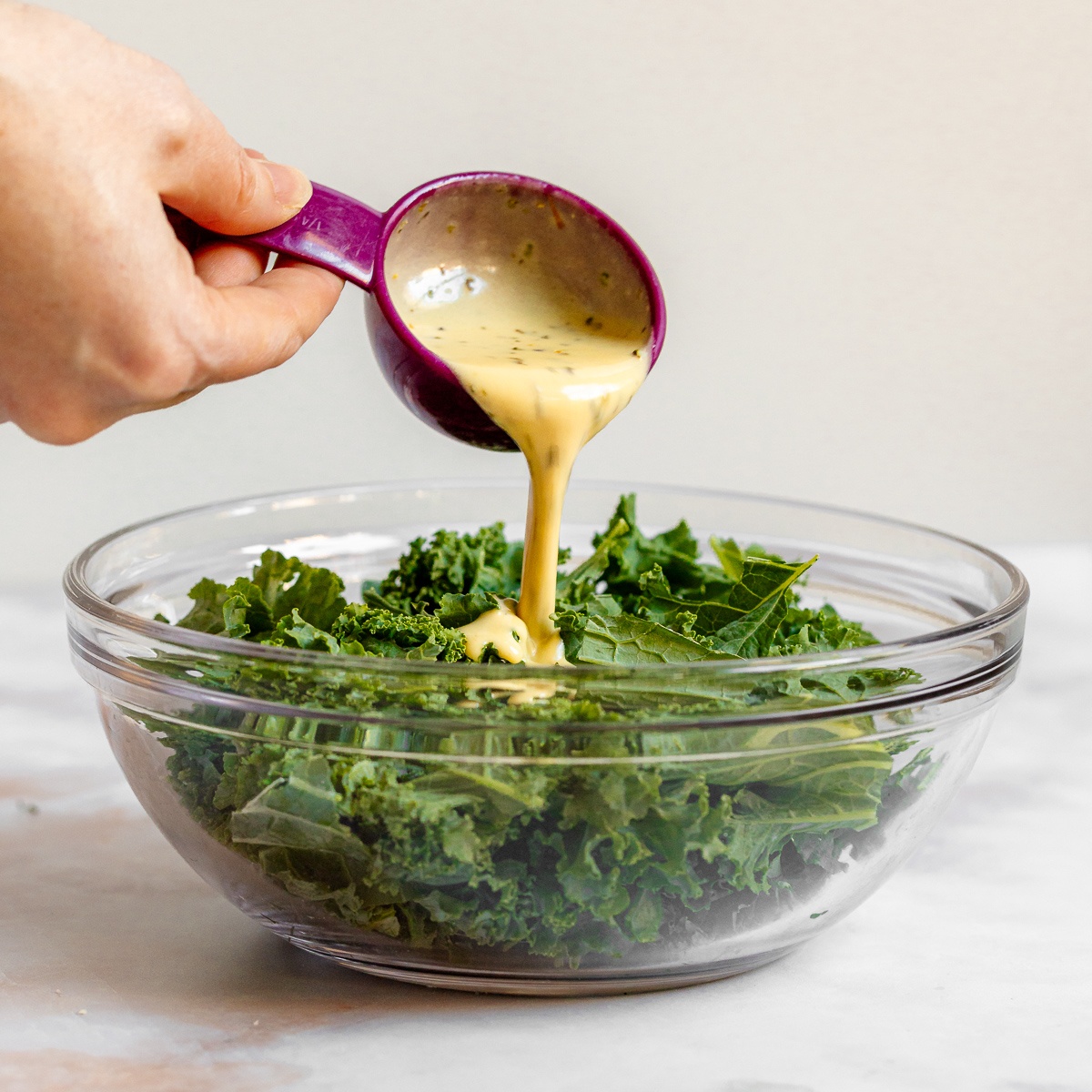
- Dress and Rest: Once the kale is prepared and the dressing is made, drizzle the dressing over the kale and toss thoroughly to ensure every leaf is coated. For the bright and garlicky dressing especially, letting the kale sit for 15-30 minutes after dressing allows the acidity to further tenderize the leaves, resulting in an even better texture and flavor. Understanding the vital role of each component can further elevate your greens; discover the Best Kale Salad Dressing: Essential Ingredients for Softening.
Assembling Your Small Batch Dressing
Making your dressing is straightforward. In a small bowl, combine all the chosen ingredients (e.g., lemon juice, minced garlic, salt, pepper, then slowly whisk in olive oil and Parmesan, or mayonnaise, Dijon, honey, ACV, olive oil, garlic powder, and oregano). Whisk vigorously until well combined and emulsified. Always taste and adjust seasonings as needed – this is your chance to customize!
Customization and Creative Twists
While the core recipes are fantastic, the beauty of small-batch cooking is the freedom to experiment. Here are a few ideas to make your kale salad dressing truly unique:
- Herbs: Substitute or add fresh herbs like parsley, dill, or chives for dried oregano.
- Spices: A tiny pinch of red pepper flakes can add a subtle kick, or a dash of smoked paprika for earthy warmth.
- Sweeteners: Swap honey for maple syrup, agave nectar, or a pinch of stevia for different flavor profiles or dietary needs.
- Creaminess Boost: For a dairy-free creamy option, a tablespoon of tahini or nutritional yeast can add depth and richness. A swirl of Greek yogurt can also enhance the creamy texture while adding probiotics.
- Different Vinegars: Experiment with white wine vinegar, red wine vinegar, or even balsamic vinegar (though this will significantly change the color and flavor profile) for different acidic nuances.
Conclusion
Embracing the small-batch approach to your kale salad dressing is a culinary revelation. It promises not just superior flavor and freshness, but also an engaging, customizable cooking experience that aligns perfectly with a zero-waste lifestyle. Whether you prefer the creamy tang of a mayonnaise-based dressing or the bright, garlicky punch of a lemon and Parmesan blend, you now have the tools to transform ordinary kale into an extraordinary salad. So, gather your ingredients, whisk up a fresh batch, and discover the truly delicious difference for yourself. Your taste buds, and your fridge, will thank you!
