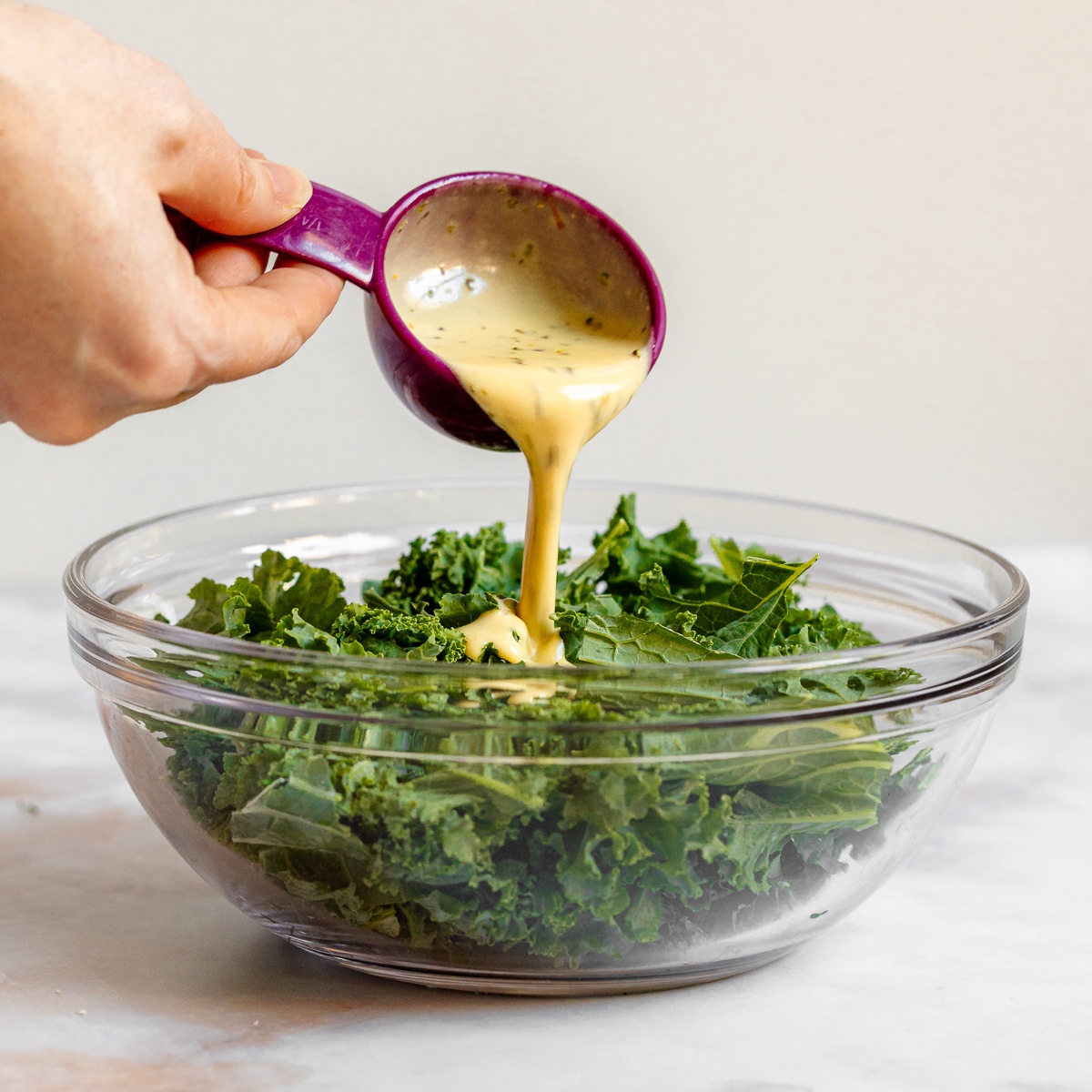
Unlocking the Magic of Kale: The Secret is in the Dressing
Kale, with its robust texture and earthy flavor, has earned a reputation for being a nutritional powerhouse. Yet, it's also notorious for being a bit tough and sometimes bitter, leading many to shy away from it. But what if we told you the secret to transforming this resilient green into a tender, crave-worthy salad lies almost entirely in one crucial element: the perfect
kale salad dressing?
A truly great kale salad isn't just about combining ingredients; it's about a culinary alchemy that tames the green's wilder characteristics. The right dressing doesn't just coat the leaves; it actively works to soften them, balance their inherent bitterness, and infuse every bite with vibrant flavor. Forget limp, uninspired greens; with the right approach, your kale salad can be the star of any meal. This comprehensive guide will delve into the essential ingredients and techniques that make a kale salad dressing not only delicious but fundamentally transformative for your greens.
The Science of Softening: Why Dressing Matters for Kale
Unlike delicate mixed greens, kale's sturdy cell walls require a bit more persuasion to become tender. This is where the magic of a well-crafted
kale salad dressing comes into play. The key components that contribute to softening are primarily *acid*, *fat*, and *time*.
* **Acid Breakdown:** Ingredients like fresh lemon juice or apple cider vinegar are crucial. The acidity begins to break down kale's tough fibers, effectively "cooking" it without heat. This process not only tenderizes the leaves but also brightens their flavor, making them less bitter.
* **Fat Infusion:** High-quality olive oil or a creamy base like mayonnaise introduces fat, which coats the kale leaves. This coating not only carries flavor but also provides lubrication, making the kale feel less fibrous and more pleasant to chew. It also helps to mellow any lingering bitterness, as many bitter compounds are fat-soluble.
* **The Power of Time (and Massage!):** Perhaps one of the most overlooked aspects, allowing dressed kale to sit (or even giving it a gentle massage with the dressing) is vital. This "resting" period gives the acid and fat ample time to penetrate the leaves, working their tenderizing magic. Within 15-30 minutes, you'll notice a remarkable difference in texture. For more tips on making kale palatable, explore our article on
Tame Bitter Kale: Easy Dressings for a Delicious Salad.
Essential Ingredients for the Best Kale Salad Dressing
Crafting the perfect
kale salad dressing involves balancing several flavor profiles: acid, fat, sweetness, salt, and umami. Here are the core ingredients that frequently appear in the most effective dressings for softening kale, along with tips for making the best choices.
The Acid Component: Lemon Juice & Apple Cider Vinegar
*
Fresh Lemon Juice: This is often the MVP for kale dressings. Its bright, clean acidity is unparalleled in both tenderizing the leaves and cutting through their earthiness. Always opt for fresh-squeezed; bottled lemon juice simply doesn't compare in flavor or efficacy.
*
Apple Cider Vinegar (ACV): Offering a slightly softer, fruitier acidity than lemon, ACV is another excellent choice. It brings a subtle tang and complements many flavor profiles beautifully.
*
Expert Tip: Don't be afraid to adjust the acidity to your taste. Sometimes, a little extra zing is exactly what your kale needs!
The Fat Foundation: Olive Oil & Mayonnaise
*
High-Quality Extra Virgin Olive Oil (EVOO): As a foundational fat, EVOO is indispensable. Choose a good quality one you enjoy the taste of, as its flavor will shine through. It's crucial for coating the leaves, carrying flavor, and contributing to that desirable silky texture.
*
Mayonnaise: For a creamy
kale salad dressing, mayonnaise provides a rich, binding consistency that helps other ingredients cling beautifully to the kale. It adds a luxurious mouthfeel and can mellow stronger flavors.
*
Expert Tip: Consider the flavor profile of your olive oil. A robust, peppery EVOO will lend a different character than a milder, buttery one.
Sweetness & Zing: Honey & Dijon Mustard
*
Honey: A touch of sweetness from honey (or maple syrup for a vegan option) balances kale's natural bitterness and the sharp acidity of lemon or vinegar. It rounds out the dressing, making it more palatable and complex.
*
Dijon Mustard: This humble ingredient is a secret weapon. It provides a pungent, tangy "zing" that awakens the palate and, importantly, acts as an emulsifier, helping the oil and acid come together into a smooth, cohesive dressing.
*
Expert Tip: Start with a small amount of sweetener and Dijon, tasting and adding more until you achieve your desired balance.
Aromatic Boosters: Garlic & Herbs
*
Fresh Garlic: Whether minced finely or grated, fresh garlic infuses the dressing with a pungent, irresistible aroma and flavor. Avoid pre-minced jarred garlic; its flavor is often muted and can have an off-taste.
*
Oregano (Dried or Fresh): Herbs like oregano, as well as thyme or dill, can add depth and an aromatic freshness to your dressing. Dried herbs are convenient, but fresh herbs, finely chopped, offer a brighter, more vibrant note.
*
Expert Tip: For a milder garlic flavor, mince it and let it sit in the lemon juice for a few minutes before adding other ingredients; the acid helps temper its raw bite.
The Umami Factor: Parmesan Cheese
*
Parmesan Cheese (or Pecorino Romano): This ingredient adds a salty, savory depth (umami) that elevates the dressing from simple to sublime. Grating it yourself from a high-quality block ensures the best flavor and texture. It also adds a slight creaminess and helps the dressing cling to the kale.
*
Expert Tip: If you don't have Parmesan, Pecorino Romano makes an excellent, slightly saltier and tangier substitute.
Crafting Your Perfect Small-Batch Kale Dressing
One of the great joys of homemade dressing is the ability to customize it to your exact preferences, and a small-batch approach means fresh flavor every time. For inspiration on fresh, customizable dressings, see our guide on
Small Batch Kale Dressing: Fresh Flavor, Zero Waste Recipe.
The Art of Emulsification
To achieve a smooth, uniform
kale salad dressing where the oil and acid don't separate, emulsification is key.
* **Whisking Method:** In a small bowl, combine your acid (lemon juice, vinegar), Dijon mustard, garlic, and any sweeteners. Slowly drizzle in the olive oil while continuously whisking vigorously. The Dijon helps to bind everything together, creating a creamy texture.
* **Shaking Method:** If using a jar with a tight-fitting lid, combine all ingredients and shake vigorously until well combined and emulsified. This works especially well for oil-and-vinegar based dressings.
Prepping Your Kale for Maximum Tenderness
Even the best dressing needs a little help from properly prepped kale.
*
Remove Stems: Always strip the kale leaves from their tough, fibrous stems.
*
Shred or Slice Thinly: This increases the surface area for the dressing to penetrate. You can use a food processor with a slicing blade for finely shredded kale or stack the leaves, roll them into a cylinder, and slice them very thinly by hand.
*
Massage (Optional but Recommended!): After shredding, add a small amount of olive oil and a pinch of salt to the kale in a large bowl. Use your hands to gently massage the kale for 1-2 minutes. You'll feel it relax and become noticeably more tender. This pre-softening step greatly enhances the final texture.
The Magic of "Resting" Your Dressed Kale
This is perhaps the most critical step for achieving truly soft kale.
* Once your kale is prepped and your dressing is made, drizzle the dressing generously over the kale in a large bowl.
* Toss thoroughly to ensure every leaf is coated.
* Let the dressed kale sit for at least 15-30 minutes before serving. This allows the acid and fat in the dressing to work their magic, tenderizing the leaves and allowing the flavors to meld. You'll be amazed at the difference in texture. In fact, dressed kale often tastes even better the next day!
Beyond the Basics: Variations and Serving Suggestions
While the core ingredients create a fantastic foundation, don't hesitate to experiment with your
kale salad dressing:
* **Spice it Up:** Add a pinch of red pepper flakes for a subtle kick.
* **Nutty Flavor:** Incorporate a tablespoon of tahini for an even creamier, nuttier dressing.
* **Herb Medley:** Experiment with different fresh herbs like parsley, chives, or cilantro for varied flavor profiles.
* **Citrus Swap:** Try lime juice instead of lemon for a different kind of tang.
* **Sweetener Alternative:** Maple syrup or agave nectar can replace honey.
Once your perfectly dressed, softened kale is ready, it makes a fantastic base for endless salad creations. Toss it with toasted nuts, dried cranberries, crumbled feta or goat cheese, cherry tomatoes, avocado, or even grilled chicken or roasted vegetables for a complete meal.
Conclusion
Transforming tough, bitter kale into a tender, delightful salad is not a culinary myth; it's an achievable reality with the right
kale salad dressing. By understanding the essential role of acid, fat, and time, and by selecting high-quality ingredients like fresh lemon, good olive oil, and flavorful aromatics, you can create a dressing that not only enhances flavor but actively softens the greens. So next time you're faced with a bunch of kale, remember that its true potential is just a whisk and a little patience away, ready to yield a salad that's both nutritious and incredibly enjoyable.